0330 057 6008
7 Common Myths about PAT Testing: What 2026 Regulations Actually Say

There is a significant amount of misinformation circulating regarding electrical safety in the South West. As electrical safety experts in Plymouth, we often hear concerns from business owners and landlords who are confused by conflicting advice. Whether you are managing a holiday let in Torquay or an industrial unit in Exeter, understanding the truth behind common myths about PAT testing is essential for maintaining a safe and legal premises.
Table of Contents
Why You Should Ignore Common Myths about PAT Testing
Before we dive into the specifics, it is important to realise that following common myths about PAT testing can lead to serious legal and financial consequences. In 2026, compliance isn’t just about a sticker; it’s about verified safety data.
Myth 1: PAT Testing is a Legal Requirement Every Year
One of the most persistent common myths about PAT testing is that every single plug must be tested every 12 months.
The Reality: The Electricity at Work Regulations (1989) mandate that electrical equipment must be maintained in a safe condition, but they do not specify an annual timeframe. The frequency of testing depends on the risk. For example, a stationary office computer in a Truro office might only require testing every 24–48 months, whereas a power tool on a Saltash construction site requires much more frequent attention.
Myth 2: Brand New Equipment Doesn’t Need Testing
Many landlords believe that if they buy a toaster for their Devon rental property, it is automatically “compliant.”
The Reality: While new items should be safe from the manufacturer, they haven’t been “recorded.” To maintain a professional Digital Asset Register, new items should be visually inspected and entered into your safety log. This ensures a complete audit trail for your insurance provider.
Myth 3: Only “Portable” Items Need Testing
The “P” in PAT stands for portable, leading many to believe that large appliances like fridges or washing machines are exempt.
The Reality: The technical term is “In-service Inspection and Testing of Electrical Equipment.” This includes allelectrical items that are not part of the fixed wiring. If it has a plug, whether it’s a heavy commercial fridge in a Torbay restaurant or a desktop printer in Plymouth, it needs to be verified as safe.
Myth 4: You Can Do It Yourself with a Simple Multi-meter
We often see business owners attempting to “DIY” their safety checks to save costs.
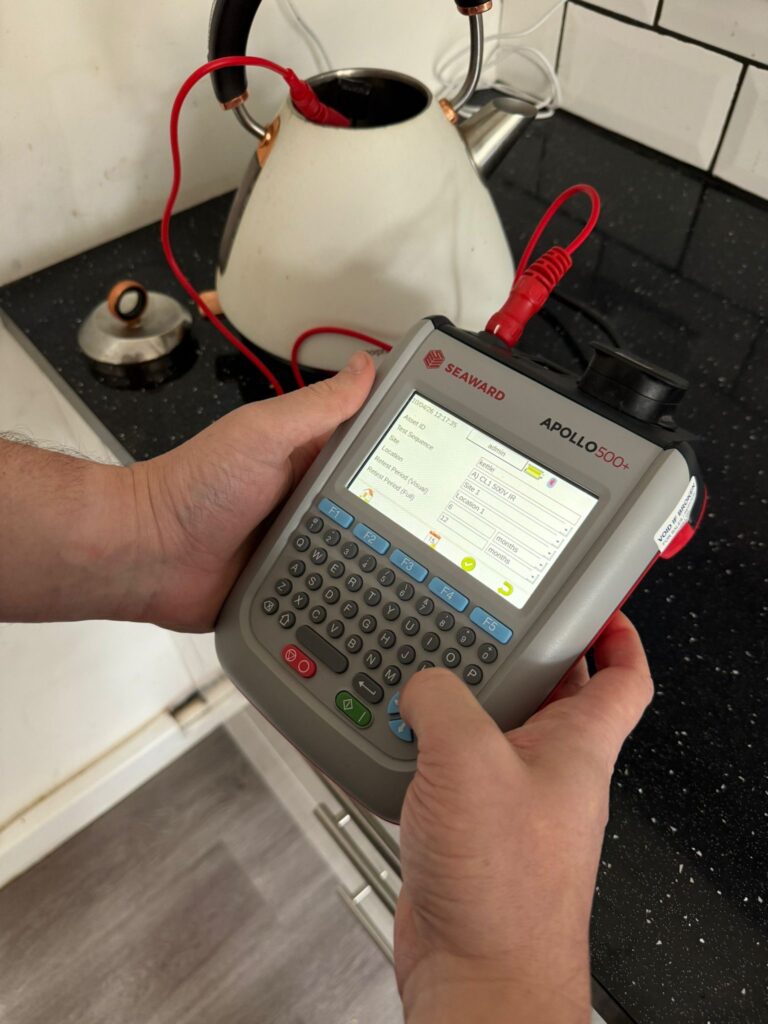
The Reality: A standard multi-meter cannot perform the Earth Continuity or Insulation Resistance tests required to ensure an appliance is truly safe. Our Services page outlines the specialised, calibrated equipment we use to detect internal faults that the human eye (and a basic multi-meter) simply cannot see.
Myth 5: A “Pass” Sticker is All You Need for Insurance
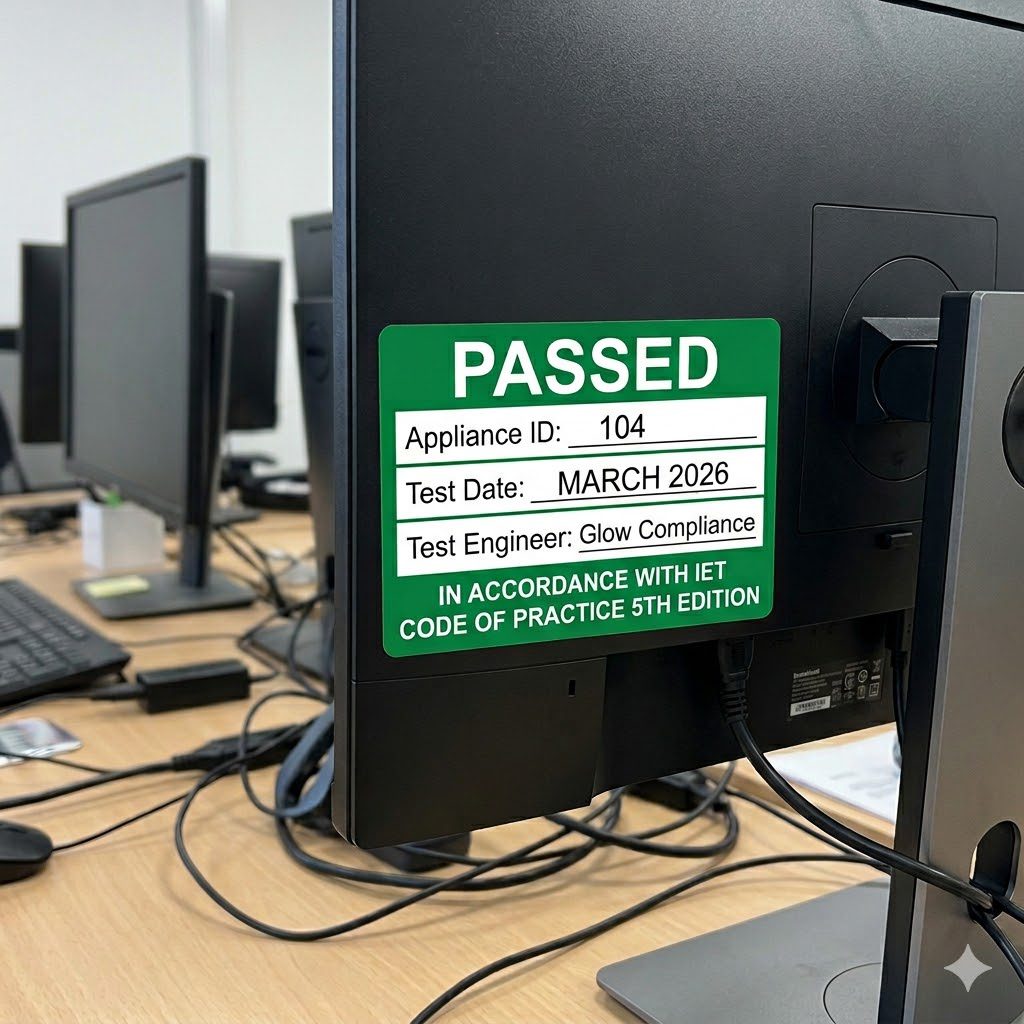
Many businesses think the sticker on the cable is their “get out of jail free” card.
The Reality: In 2026, insurance loss adjusters want to see the report, not just the sticker. If a fire occurs, you need a detailed log showing the test results, the date, and the engineer’s credentials. This is why our PAT testing in Devon service includes same-day digital certificates.
Myth 6: PAT Testing is Too Disruptive for Offices
The fear of “downtime” often leads offices to delay their safety checks.
The Reality: Professional testing is remarkably fast. We coordinate with IT managers across the South West to test server equipment and workstations with minimal disruption. Often, the power only needs to be off for a matter of seconds.
Myth 7: All PAT Testers Provide the Same Service
It is a myth that the cheapest quote will give you the same protection.
The Reality: “Sticker-slappers” who rush through jobs often miss frayed internal wires or incorrect fuse ratings. At Glow Compliance, we follow the IET Code of Practice (5th Edition) to the letter, ensuring your business is actually safe, not just “labeled.
Get in Touch
At Glow Compliance, we’re here to ensure your peace of mind with our comprehensive PAT testing services. Should you wish to discuss your specific needs, our friendly team is just a phone call away on 0330 057 6008. Alternatively, you’re welcome to drop us an email at [email protected], and we’ll be in touch promptly.
For your convenience, our website also hosts a contact form, providing a straightforward way to reach out. Rest assured, with over 15 years of trusted service, our local engineers across the UK are ready to tailor our services to your precise requirements.