0330 057 6008
Essential PAT Testing for Schools: Keeping Students Safe This Summer

PAT testing for schools is a vital component of your summer maintenance schedule, ensuring that your learning environment remains safe, compliant, and hazard-free for the upcoming academic year. Implementing a robust schedule for PAT testing for schools is the most effective way to identify potential fire hazards early. As students and faculty head off for their well-earned summer break, your school facilities team has the perfect window of opportunity to carry out necessary electrical inspections without disrupting teaching schedules or causing classroom downtime.
Electrical safety in an educational setting is not merely a box-ticking exercise; it is a fundamental pillar of safeguarding. By utilizing the quiet summer months, you can ensure that every device—from the interactive whiteboard in the hall to the kettle in the staff room—is operating within safe parameters. Many headteachers are surprised to learn that PAT testing for schools is recommended by most insurance companies as a condition of their policy, making it a critical business decision.
Contact us for a tailored quote for your needs
Table of Contents
Why Summer is the Ideal Time for PAT Testing
During the busy school term, it is often incredibly difficult to access every classroom, office, science laboratory, and maintenance cupboard without causing significant disruption to the curriculum. PAT testing for schools requires access to power points and the ability to unplug devices briefly, which is rarely convenient while a teacher is mid-lesson or students are accessing IT suites.
Scheduling this work during the summer holidays provides a seamless operational advantage. Technicians can move freely through the premises, safely isolate circuits where necessary, and complete a thorough sweep of the site without the risks associated with students wandering through corridors.
Furthermore, summer provides a dedicated “buffer zone.” If any item fails its inspection, you have weeks to source repairs, order replacements, or re-wire faulty plugs before the first bell of the new term rings. For further insight into why preventative maintenance is prioritized, you can review the Health and Safety Executive (HSE) guidance on electrical safety.
Understanding Your Legal Obligations and Duty of Care
In the United Kingdom, school administrators are bound by several layers of legislation that mandate the upkeep of electrical safety. While there is no specific piece of legislation that mandates a rigid “once-a-year” test, the Electricity at Work Regulations 1989 dictates that all electrical systems and appliances must be maintained to prevent danger.
For schools, this duty of care is paramount. You are responsible for the safety of children, staff, and visitors. Administrators must be able to demonstrate that they have taken proactive, reasonable steps to identify and mitigate risks. A robust, documented testing regime acts as your primary evidence of compliance during safety audits and is almost always a requirement for insurance providers when assessing your site’s risk profile.
If an incident were to occur, being able to provide a comprehensive record of regular, professional testing is the best defense a school has to show that it exercised due diligence.
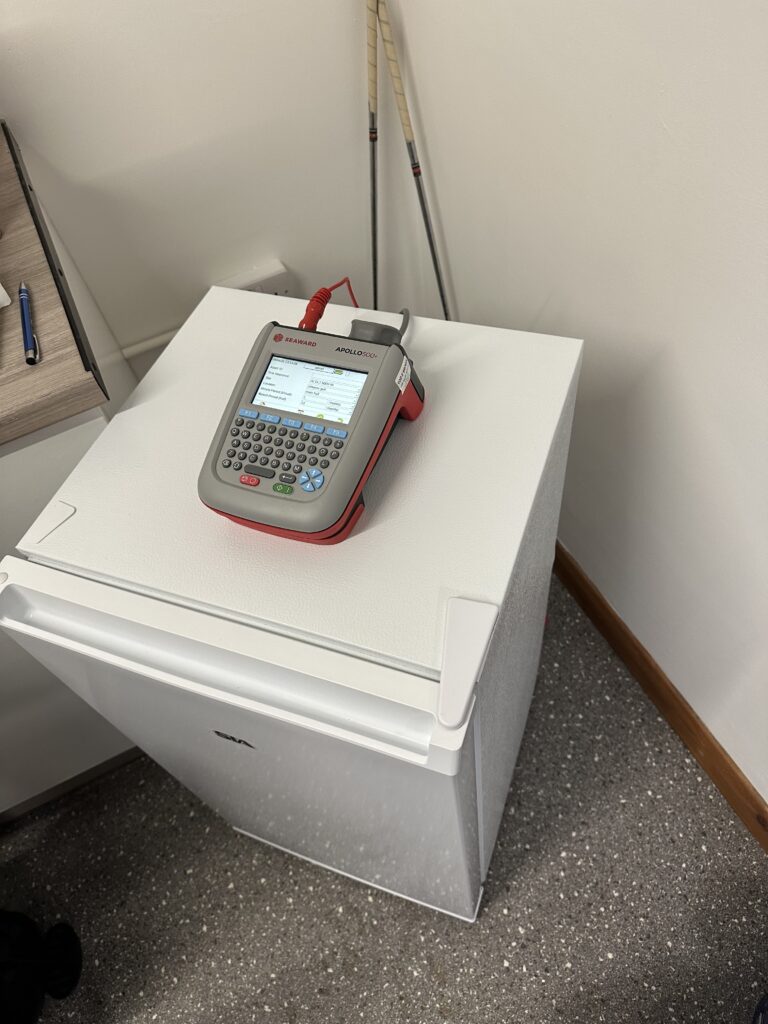
The Hazards of Neglected Electrical Equipment
Electrical equipment in a school environment experiences heavy usage. Students and staff plug and unplug devices frequently, cords are often trapped under desks, and equipment is moved between classrooms. Over time, this physical stress leads to common, yet dangerous, issues:
- Frayed Cords: The outer insulation of cables can become damaged, exposing live wires.
- Loose Connections: Plugs can become damaged internally, leading to overheating at the contact point.
- Overloaded Sockets: The use of extension leads in older buildings can lead to fire risks if not monitored.
- Component Degradation: Internal wear and tear in high-use appliances like microwaves or science equipment can lead to insulation failure, which is invisible to the naked eye.
Regular testing identifies these “hidden” dangers before they result in electric shock or fire. Ignoring these risks creates a liability that no school should be willing to accept.
What Equipment Needs Testing?
When performing PAT testing for schools, it is easy to focus only on the obvious items like computers. However, a comprehensive compliance strategy must cover every portable appliance. Here is a checklist of items that require attention:
- IT and Administrative Hardware: Computers, laptops, monitors, printers, photocopiers, and server power supplies.
- Classroom Tech: Interactive whiteboards, projectors, visualizers, and sound systems.
- Lab and Workshop Equipment: High-energy devices such as Bunsen burner igniters, centrifuges, soldering irons, and woodworking machinery.
- Staff Room Appliances: Kettles, microwaves, toasters, refrigerators, and coffee machines.
- Cleaning and Facility Gear: Vacuum cleaners, floor buffers, and maintenance power tools.
- Extension Leads and Adapters: These are often the highest-risk items and must be inspected for physical damage and overload capacity.
The Role of Professionalism in PAT Testing for Schools
While some schools may be tempted to conduct “in-house” testing, there is significant value in using a specialist compliance company. A qualified technician does not simply “press a button” on a testing machine; they perform a systematic visual inspection and a series of technical tests, including earth continuity, insulation resistance, and polarity checks.
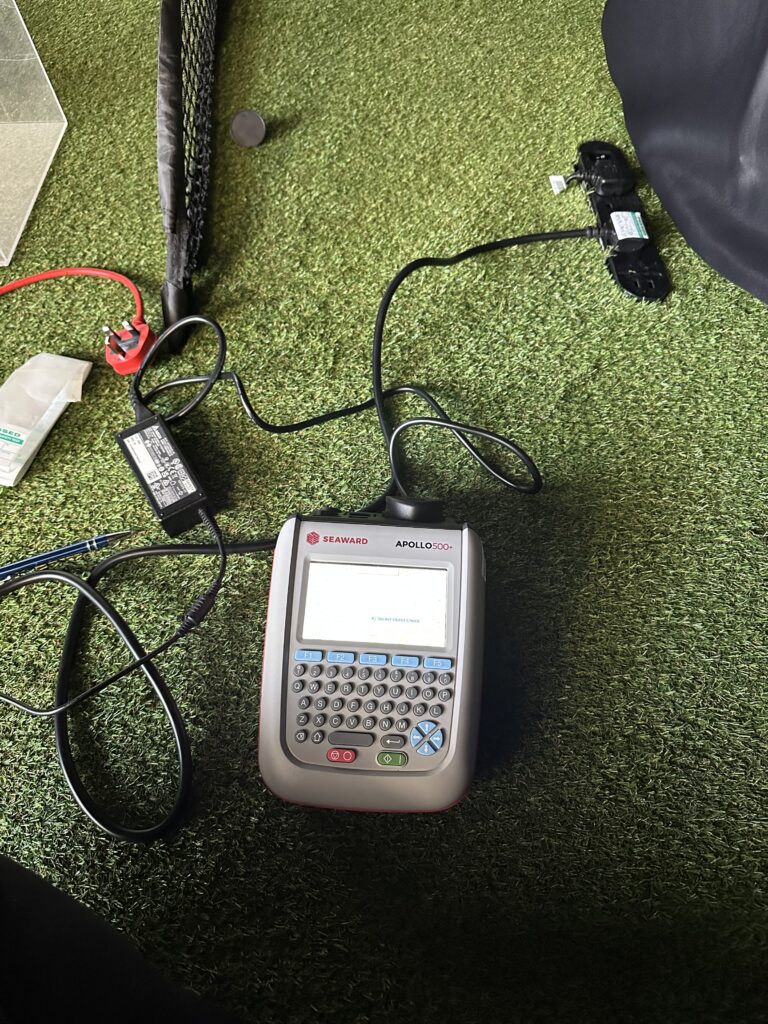
Why Expert Inspection Matters
Objective Assessment: An external expert brings an unbiased eye to your safety standards, identifying issues that internal staff might overlook through familiarity.
Asset Management: Professional services provide a detailed digital register. This doesn’t just help with safety—it helps with inventory tracking.
Corrective Advice: When an item fails, an expert can provide guidance on whether it is repairable or if it should be condemned.
Regulatory Compliance: Professional test results are formatted to be easily understood by health and safety inspectors.
Best Practices for Summer Maintenance Planning
To get the most out of your PAT testing for schools program this summer, preparation is key. Here are a few tips to streamline the process:
- Centralize Your Inventory: Before the team arrives, try to ensure all portable appliances are accessible. If equipment is locked in cupboards or stored in remote offices, let the team know beforehand.
- Consolidate Equipment: If you have broken or obsolete equipment that you no longer use, the summer is the best time to have it disposed of safely. This reduces the number of items that need testing in the future.
- Communication: Ensure the cleaning staff and facilities management team are aware of the testing schedule so they don’t move items while the team is working.
- Labeling Strategy: Ensure all tested items are correctly labeled with a pass/fail sticker. This is a simple but effective way for staff to know that their equipment is safe to use when they return in the autumn.
How Glow Compliance Can Help Your School
At Glow Compliance, we pride ourselves on being the go-to specialists for electrical safety in Plymouth and the wider region. We understand that schools are not just buildings; they are hubs of learning that require a specific, empathetic approach to compliance. We know the constraints, the budgets, and the importance of safeguarding your pupils and staff.
Our team offers:
- Flexible Scheduling: We work around your summer shutdown dates to minimize any potential impact.
- Minimal Disruption: Our technicians are experienced in working in educational environments and follow strict site-safety protocols.
- Detailed Reporting: We provide comprehensive documentation that stands up to the most rigorous inspections.
- Competitive Pricing: We understand school budgets and offer transparent, fair pricing for our services.
Do not let electrical safety become a source of stress as the new term approaches. By taking action now, you can cross this essential task off your list, ensuring a safe and successful return to school for everyone.
Ready to secure your premises? Contact Glow Compliance today to discuss your requirements for this summer. Let us handle the technical details so you can focus on what matters most: education.
For further information on maintaining electrical standards, explore our internal resources on electrical safety management or visit the Electrical Safety First website for comprehensive guides on home and workplace safety.